
JEIMM
Design the experience, not just organize it.
Year
2025
Client
JE Italy
Type
Esternal
Involved Areas
Communication, Data Analysis, Design, IT, Marketing, Sales, Talent, Videomaking
Services
The Initiative
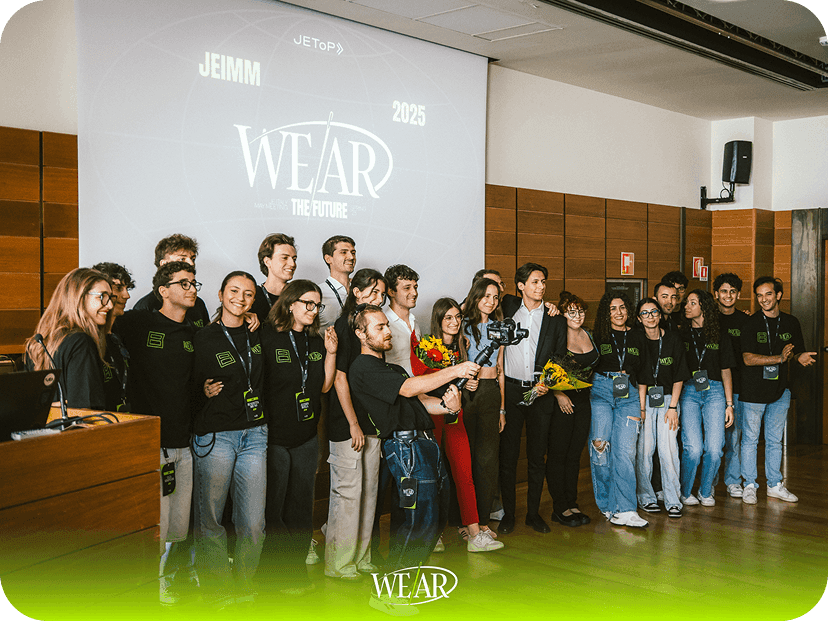
JEIMM is a national event organized by JE Italy and hosted by JEToP in 2025. The event took place over three days and brought together around 250 participants from across Italy.
The goal was to design a seamless and cohesive experience by developing a comprehensive event communication strategy that created an integrated ecosystem to support participants before, during, and after the event, ensuring a consistent narrative and visual identity throughout.
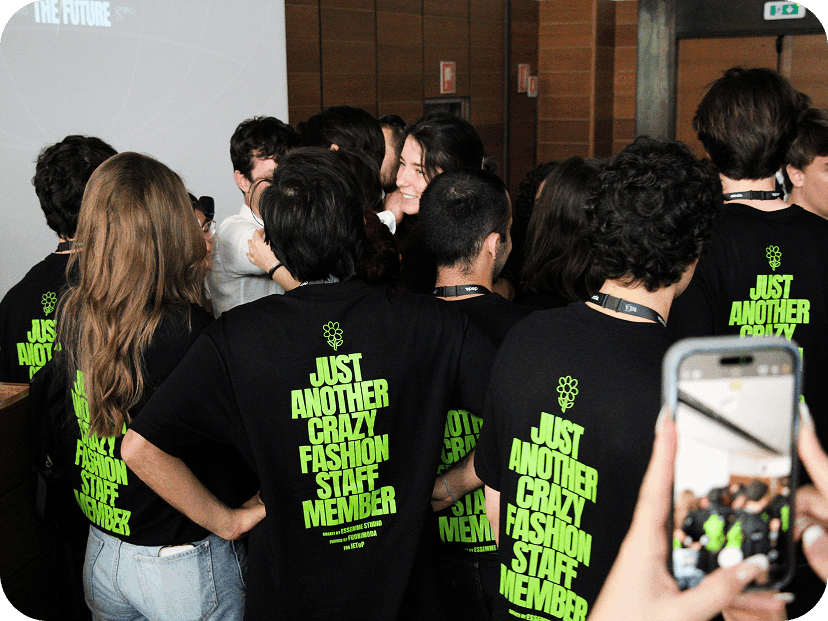
The project involved significant organizational complexity, requiring the coordination of approximately 35 team members and the ability to continuously adapt tools and content to the evolving needs of the event.
Discovery phase
Discovery phase
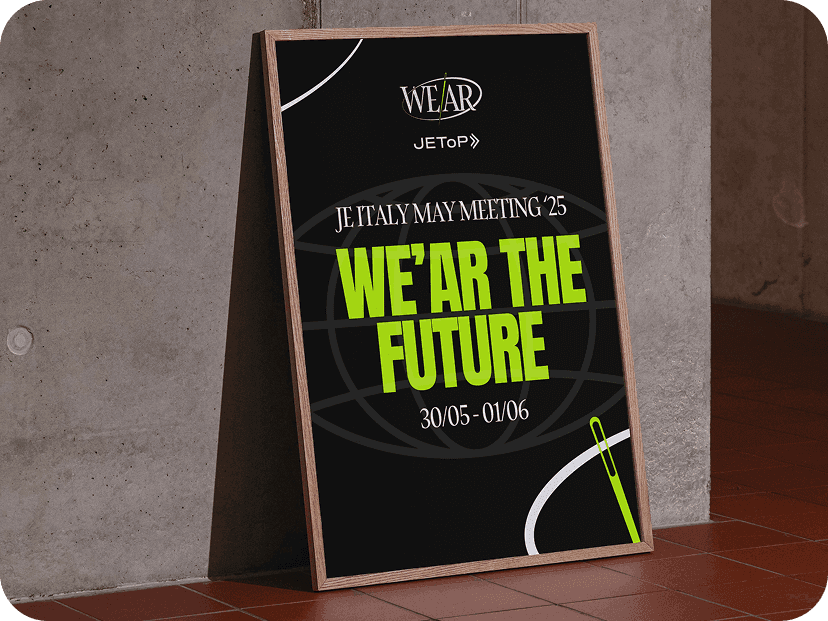
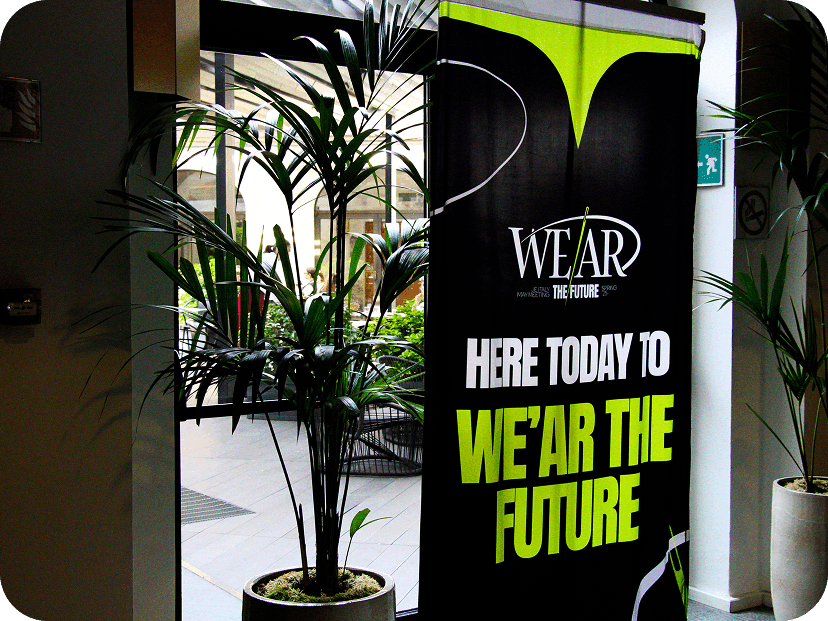
The event focused on the future of fashion, bringing together emerging technologies and sustainability. This inspired the payoff “We’ar the Future,” a wordplay that transforms fashion into a statement about the impact of our choices.
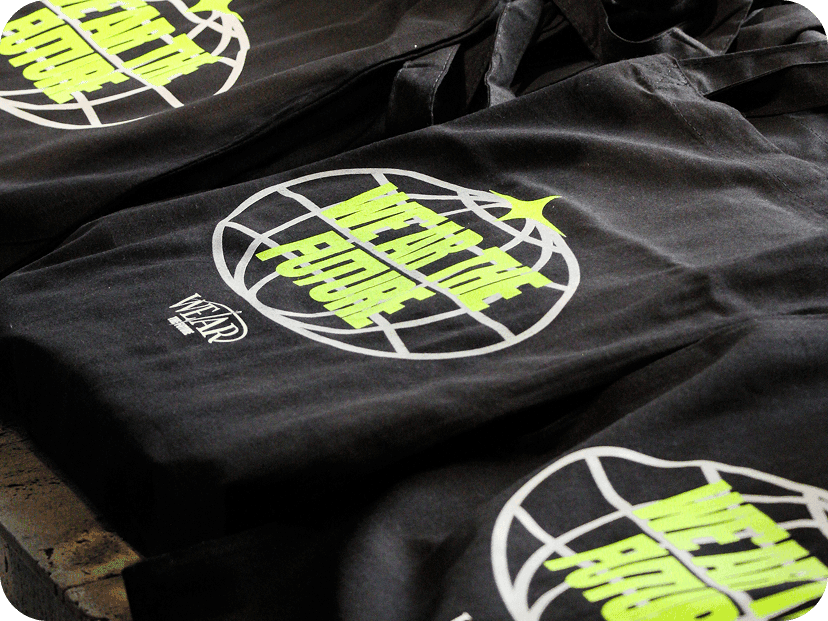
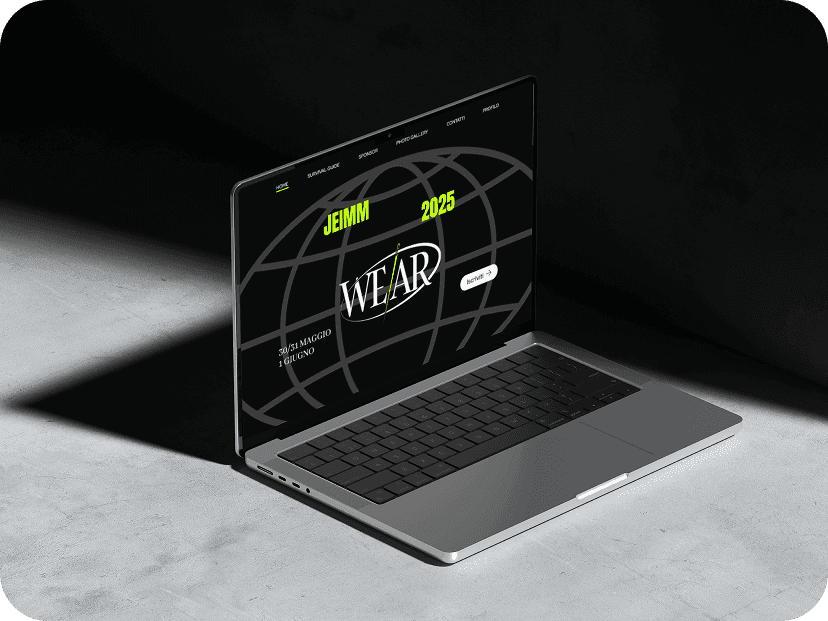
A strong and cohesive visual identity was developed across all touchpoints. During the initial phase, the digital ecosystem was designed to provide a centralized point of reference, based on an analysis of user journeys and information needs.
The Web App was created to integrate registrations and operational information into a single platform, reducing reliance on external tools. This centralized communication, enhanced the participant experience, and streamlined internal management.
The dynamic nature of JEIMM required frequent revisions and continuous cross-functional coordination, making close collaboration across the various teams essential to the project's success.
Operational phase
Operational phase
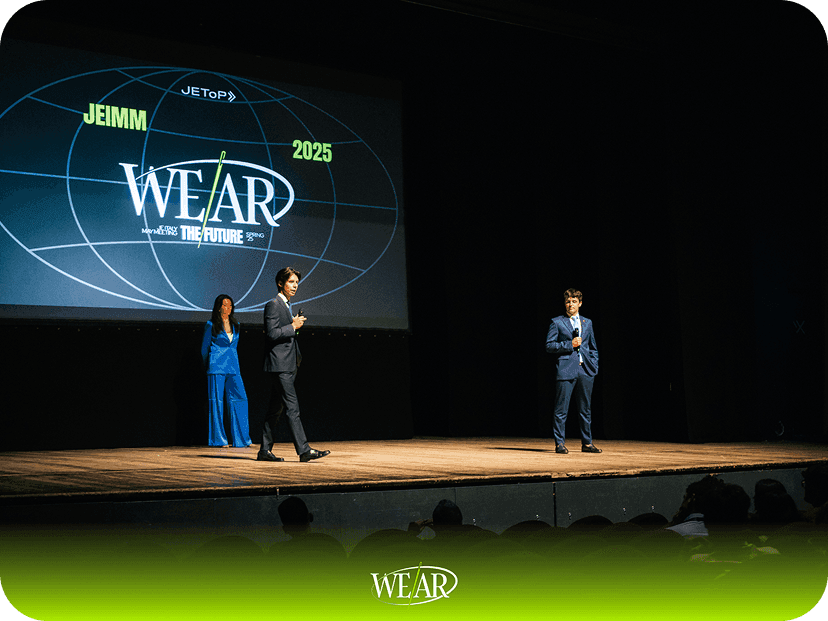
The project was developed through close collaboration across all the teams involved. Once the strategic and visual guidelines had been established, the event identity was consistently applied across all digital and physical touchpoints, ensuring a cohesive and seamless experience throughout the participant journey.
At the same time, sponsor acquisition, venue selection, and accommodation planning were coordinated to ensure both the event’s financial sustainability and its overall logistical quality.
The experience was continuously monitored and refined throughout the event, maintaining operational flexibility and enabling the team to respond effectively to evolving needs and challenges.
Results
Results
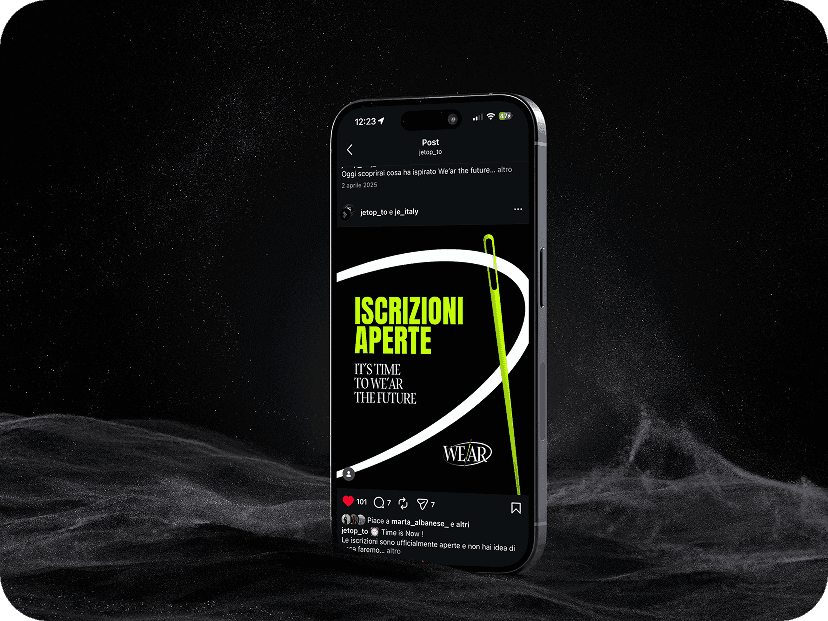
The project resulted in a participant experience that was perceived as well-structured, cohesive, and seamlessly coordinated.
Although no structured quantitative data was collected, the project's success was reflected in the high level of participant satisfaction. Attendees particularly appreciated the clarity of the information provided, the consistency of the visual identity, and the timely communication that helped address organizational challenges as they arose.